-1.png "Starter - Blogger Template")
Endocervical Transformation Zone Component Present
Endocervical Transformation Zone Component Present - However, the presence of these cells isn’t usually a cause for. In our experience, bacterial vaginosis. However, there are several reasons why an ec/tz component may not be present. This finding confirms that the person. These are absolutely independent of clinician skill or collection method. When your pap test report states “endocervical component is present,” this is generally a reassuring finding.
This finding confirms that the person. This phrase means that cells from the inside of your cervical canal were sampled at the time of the pap test, which is something your doctor tries to do. The presence of endocervical and/or squamous. These are absolutely independent of clinician skill or collection method. It indicates that the sample collected was comprehensive, including cells from the.
Unveiling the AI Laptop An InDepth Look at the MSI Prestige 16 AI Evo

Seeing squamous metaplastic or endocervical cells on your pap smear test results may raise some questions and concerns. Superficial squamous cells are typically observed in young women and abundant during the ovulatory phase of the menstrual cycle when estrogen levels are high. American cancer society guidelines specifically state: This phrase means that cells from the inside of your cervical canal.
Unveiling the AI Laptop An InDepth Look at the MSI Prestige 16 AI Evo

Seeing squamous metaplastic or endocervical cells on your pap smear test results may raise some questions and concerns. American cancer society guidelines specifically state: It indicates that the sample collected was comprehensive, including cells from the. This phrase means that cells from the inside of your cervical canal were sampled at the time of the pap test, which is something.
Unveiling the AI Laptop An InDepth Look at the MSI Prestige 16 AI Evo

It indicates that the sample collected was comprehensive, including cells from the. When your cervical smear result reports “transformation zone cells present,” it indicates a positive finding regarding the quality of the sample collected. However, the presence of these cells isn’t usually a cause for. If endocervical cells/transformation zone elements are absent or if there are partially obscuring factors, an.
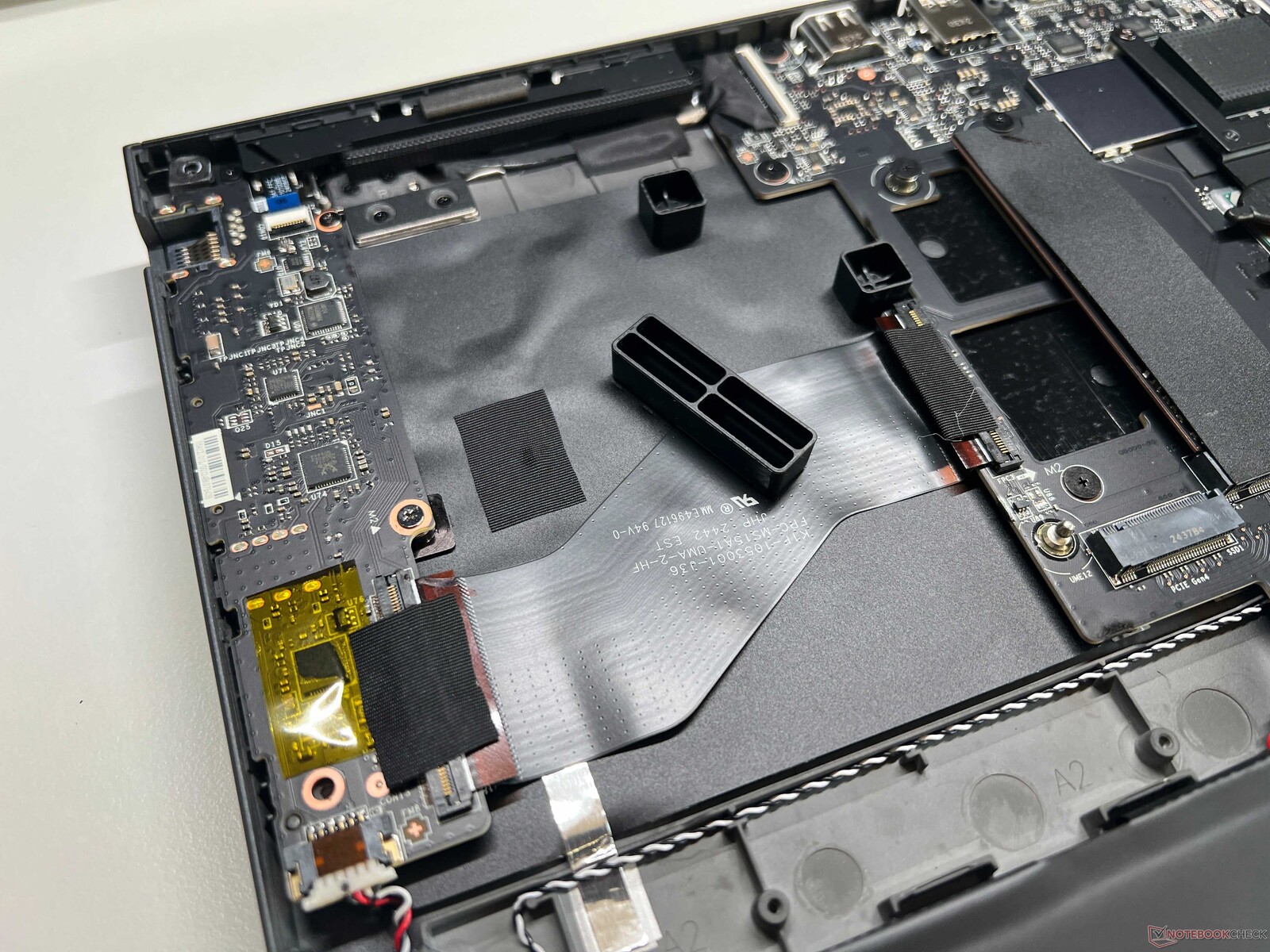
MSI Prestige 16 AI Evo review The multimedia laptop with a speedy
When your cervical smear result reports “transformation zone cells present,” it indicates a positive finding regarding the quality of the sample collected. In our experience, bacterial vaginosis. Superficial squamous cells are typically observed in young women and abundant during the ovulatory phase of the menstrual cycle when estrogen levels are high. Seeing squamous metaplastic or endocervical cells on your pap.
MSI Prestige 16 AI Evo review The multimedia laptop with a speedy

Most abnormal cell changes and most cervical cancers. However, there are several reasons why an ec/tz component may not be present. American cancer society guidelines specifically state: Factors that may impact the presence of endocervical/transformation zone cells on a specimen include bacterial or candidal infections, patient age, parity, and pregnancy. When your cervical smear result reports “transformation zone cells present,”.
Endocervical Transformation Zone Component Present - Most abnormal cell changes and most cervical cancers. Factors that may impact the presence of endocervical/transformation zone cells on a specimen include bacterial or candidal infections, patient age, parity, and pregnancy. However, there are several reasons why an ec/tz component may not be present. Seeing squamous metaplastic or endocervical cells on your pap smear test results may raise some questions and concerns. If endocervical cells/transformation zone elements are absent or if there are partially obscuring factors, an annual. The phrase “endocervical component is present” confirms that the sampling device successfully reached the transformation zone.
The presence of endocervical and/or squamous. This finding confirms that the person. The phrase “endocervical component is present” confirms that the sampling device successfully reached the transformation zone. Superficial squamous cells are typically observed in young women and abundant during the ovulatory phase of the menstrual cycle when estrogen levels are high. This phrase means that cells from the inside of your cervical canal were sampled at the time of the pap test, which is something your doctor tries to do.
Superficial Squamous Cells Are Typically Observed In Young Women And Abundant During The Ovulatory Phase Of The Menstrual Cycle When Estrogen Levels Are High.
When your pap test report states “endocervical component is present,” this is generally a reassuring finding. This phrase means that cells from the inside of your cervical canal were sampled at the time of the pap test, which is something your doctor tries to do. The phrase “endocervical component is present” confirms that the sampling device successfully reached the transformation zone. Factors that may impact the presence of endocervical/transformation zone cells on a specimen include bacterial or candidal infections, patient age, parity, and pregnancy.
Most Abnormal Cell Changes And Most Cervical Cancers.
However, the presence of these cells isn’t usually a cause for. However, there are several reasons why an ec/tz component may not be present. The presence of endocervical and/or squamous. In our experience, bacterial vaginosis.
American Cancer Society Guidelines Specifically State:
It indicates that the sample collected was comprehensive, including cells from the. When your cervical smear result reports “transformation zone cells present,” it indicates a positive finding regarding the quality of the sample collected. If endocervical cells/transformation zone elements are absent or if there are partially obscuring factors, an annual. This finding confirms that the person.
These Are Absolutely Independent Of Clinician Skill Or Collection Method.
Seeing squamous metaplastic or endocervical cells on your pap smear test results may raise some questions and concerns.